“Most leaders want to lead at scale and with ease.”
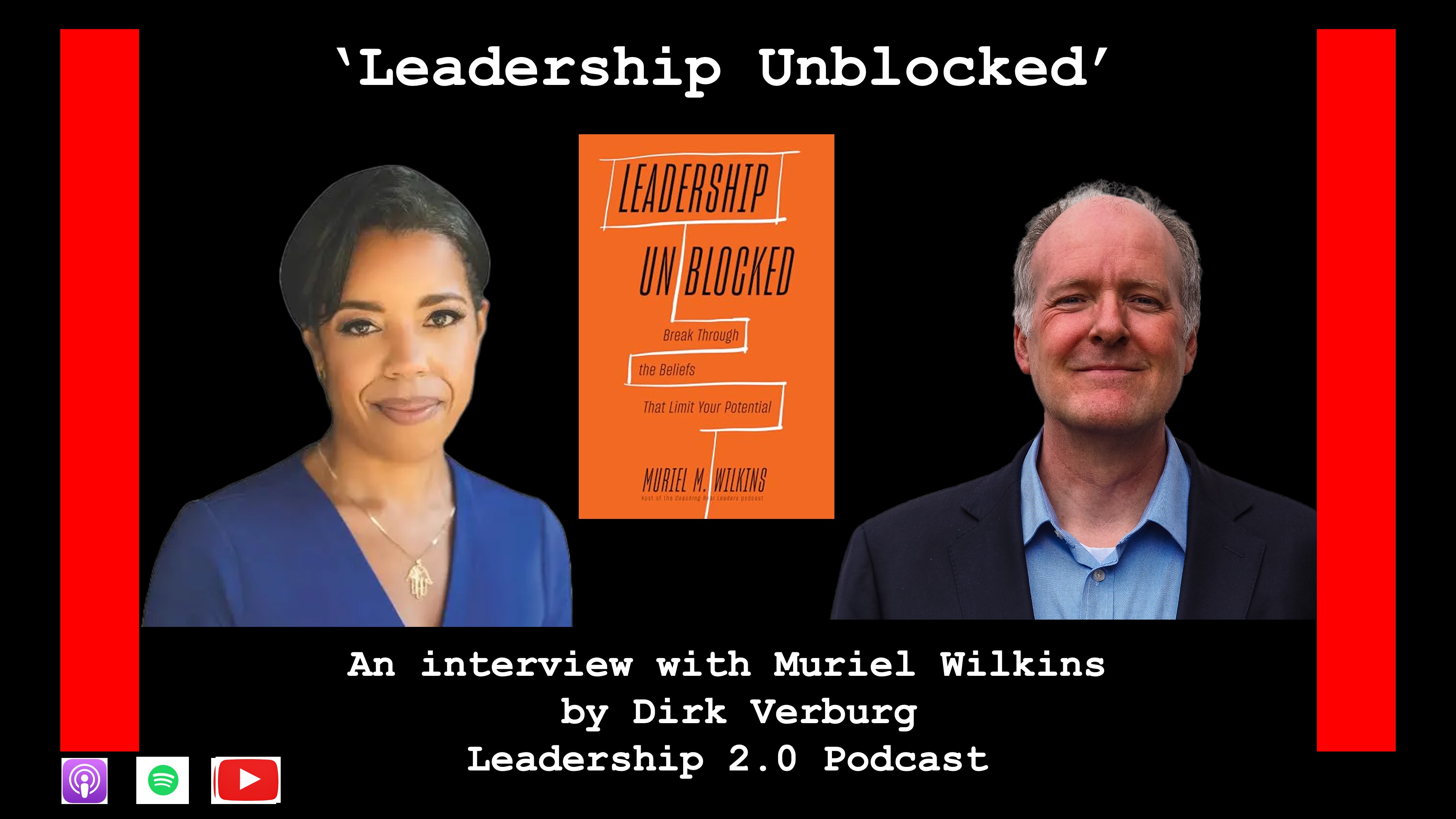
This insight triggered Muriel Wilkins—a fellow executive coach and one of the best in our industry I know—to analyze what holds leaders back from achieving this ambition.
What she found was that many leaders are held back from reaching their full potential by one or more “Hidden Blockers”.
These hidden blockers are:
I need to be involved
I need it done now
I know I’m right
I can’t make a mistake
If I can do it, so can you
I can’t say no
I don’t belong here
These blockers almost always stem from beliefs we adopted somewhere in our private or professional lives. Most often, we are not aware of them, and that might be a problem because what served us well in the past won’t necessarily serve us now or in the future.
Muriel Wilkins wrote a thought-provoking and highly recommended book about this topic called ‘Leadership Unblocked: Break Through the Beliefs that Limit Your Potential’. This book not only describes what these blockers are and how we develop them, but, more importantly, how we can address them through a three-step approach: “uncover,” “unpack,” and “unblock.”
I recently had the pleasure of having a conversation with Muriel about her book. In our conversation, we discussed:
Like any industry, the executive coaching industry needs to adapt itself to stay relevant.
For executive coaches, this means—among other things—reconsidering the classic boundary between executive and “life” coaching in a post-COVID-19 world, navigating generational differences (from a long series of face-to-face discussions with baby boomers, to crisp, powerful virtual interventions for Gen Z members), integrating AI (potentially alongside wearables), and acknowledging their Corporate Social Responsibility (CSR).
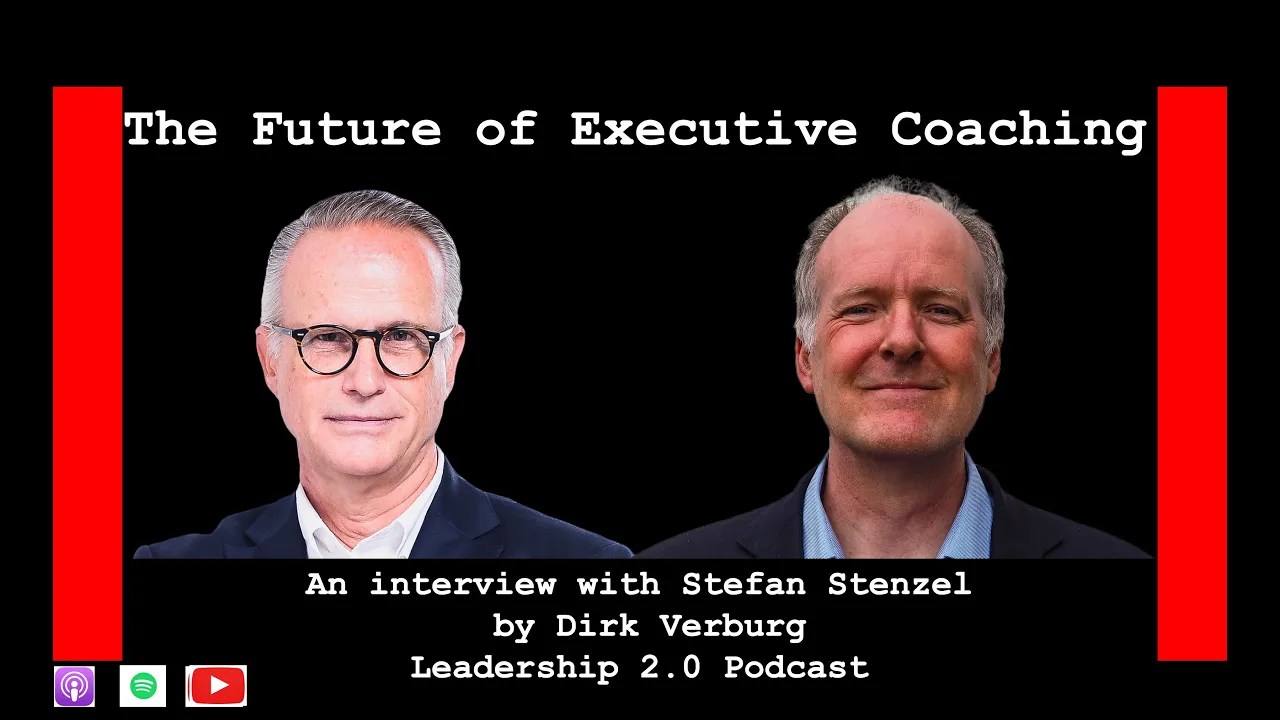
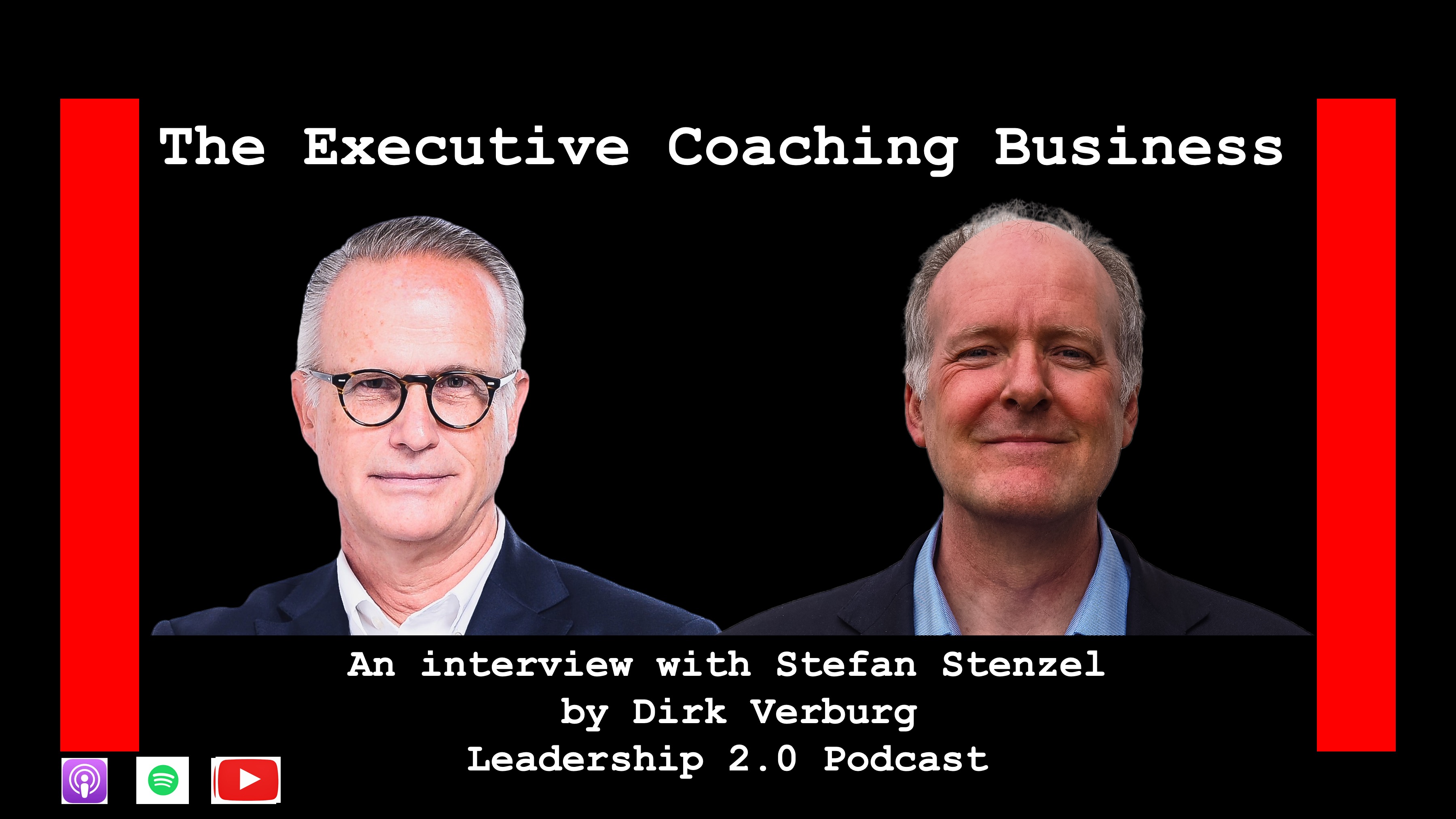
I recently discussed these topics with Stefan Stenzel, who has been active in the coaching world since the early 2000s and published ‘Die Zukunft des Coaching-Business’ (The Future of the Coaching Business) in 2022. A follow-up book will be published in the first quarter of 2027.
A red thread throughout the interview was Stefan’s advice for executive coaches to differentiate themselves. Asking (only) thoughtful questions is not enough anymore!
In our conversation, we covered the following topics:
The diminishing boundary between executive and ‘life’ coaching
Do different generations have different coaching needs?
The application of ‘wearables’ in executive coaching
AI: A competitor to executive coaches?
Hybrid coaching (Human + AI)
Technology & data privacy
Developments in organizational structures & leadership
The corporate social responsibility of executive coaches
► You can watch or listen to a podcast with our conversation on:
➡️ No time to watch or listen to the podcast now? Here is a short summary of the key points of our conversation:
Dirk Verburg: In your provocative book, ‘Die Zukunft des Coaching-Business ’you argue that boundaries between work and private life are dissolving, accelerated by COVID-19. Does this mean the distinction between business and life coaching is obsolete?
Stefan Stenzel: Have they ever truly been separate? Executive coaches find that the more senior a client is, the more private life enters discussions. Working long hours impacts health, family, and relationships. The boundary has always been artificial. Organizations like the ICF established “business coaching” partly to protect a lucrative market and create a unique selling proposition. Behind the curtain, executive coaching always touches on personality and private life. To be a responsible coach, you must help clients identify where they draw their energy beyond just business success.
Dirk Verburg: If an executive coach discovers that the root cause of work issues stems from someone’s private life, is it legitimate to explore this in the context of a commercial relationship with the sponsor (the company of the coachee)?
Stefan Stenzel: The client serves as the guide and boundary for these questions, and you must be sensitive to that. If you are unsure whether you are crossing into a space that is too private, simply ask. You will get an immediate answer through interaction and negotiation.
Dirk Verburg: Are there situations where you must consult the sponsor, or ask the client to do so?
Stefan Stenzel: It is always a negotiation, and everyone involved should be comfortable with the outcome. That discussion process can even become part of the coaching intervention itself by introducing another perspective.
Dirk Verburg: You wrote that coaching needs to be adapted across generations, in content as well as in terms of format. Could you elaborate on what this means for baby boomers, millennials, and Generation Z?
Stefan Stenzel: Generation Z consumes information primarily via smartphones. For them, processes must be seamless—from engaging a coach to making payments. They value authenticity and will evaluate you quickly, shifting to another coach if they are unsatisfied because options are abundant. Furthermore, human coaching must offer distinct value beyond AI. You cannot just ask basic questions and provide generic to-do lists; attention spans are shorter, so you must be impactful, sharp, and directly to the point. Clients need to experience immediate value from your presence.
Dirk Verburg: You mentioned the use of ‘wearables’ to collect data, for instance, a coachee’s heart rate during stressful interactions. Do you expect these tools to become standard for coaches?
Stefan Stenzel: Younger generations naturally wear smartwatches, making them a smooth entry point for data collection. Coaches can integrate wearables to measure long-term impact. For instance, tracking heart rate changes during public speaking before and after a six-month coaching program provides tangible evidence of progress. Combining wearables with technologies like Virtual Reality—which simulates high-stakes environments and tracks eye movement—allows coaches to demonstrate measurable results, building credibility over “wannabe” coaches.
Dirk Verburg: What is your perspective on AI? Is, or will AI be, a direct competitor of Executive Coaches?
Stefan Stenzel: Currently, generative AI is too talkative and acts like a beginner. Professional coaching requires silence, precise timing, and carefully calibrated provocation—not rushing into simplistic consulting or surface-level management models. AI struggles with complex executive realities, paradoxes, and ambiguous situations where no single right answer exists. More importantly, the coach’s unique personality and personal brand act as the core tool. Human coaches add value by challenging mindsets in real-time, helping leaders navigate deep complexity rather than relying on basic templates.
Dirk Verburg: Do you foresee hybrid modes of coaching, where AI serves as a first-line coach before transitioning to a human coach?
Stefan Stenzel: Yes, hybrid and on-demand coaching are the future. Clients will increasingly arrive having already interacted with AI. Interweaving AI between, before, or after sessions keeps clients engaged with their goals. The key is embedding AI thoughtfully to maximize client impact.
Dirk Verburg: Are professional coaching bodies adequately addressing AI literacy, data privacy, and ethical boundaries, or do we still have a long way to go?
Stefan Stenzel: Associations like the ICF have started developing guidelines, but the true test will be making AI literacy and ethics standard in all coaching curricula. Professional coaches must proactively discuss data protection and boundaries with clients. Transparency and strong ethical standards will ultimately differentiate true professionals from amateur coaches.
Dirk Verburg: How are organizational leadership styles evolving, and how can executive coaches best support their clients through these changes?
Stefan Stenzel: We are moving toward “agentic organizations,” where AI manages end-to-end business processes. As AI generates vast, complex, and sometimes controversial options, a leader’s primary role shifts toward complex decision-making and ethical judgment. Because AI can handle analysis and conceptual work, human managers must focus on implementation, change management, and leading hybrid teams of humans and synthetic entities. Personal authenticity will be essential. Coaches must help leaders navigate these paradoxical realities and understand AI’s limitations, including biases and hallucinations.
Dirk Verburg: Do you think coaches are adequately aware of their Corporate Social Responsibility, given that their work with senior executives indirectly impacts thousands of employees?
Stefan Stenzel: Coaching bodies rarely discuss politics or broader societal issues, preferring to focus on immediate client goals. However, coaches must become more aware of their broader impact. While coaches should not impose political views, they must be equipped to discuss ethical and societal dimensions when clients face major decisions, such as restructuring. Taking a principled stand, encouraging long-term perspective, and helping clients weigh societal impacts separates human coaches from AI, which merely flatters the user.
► About Stefan Stenzel
Stefan Stenzel (Dipl.-Psych.) studied Organizational Psychology at Heidelberg and Mannheim with a minor in Business Administration. He has nearly 30 years of experience in People and Organizational Development.
Since 2001, he has been working at SAP SE as an HR Senior Expert for Learning within the Global Leadership Development team across various areas of responsibility.
Following his initial coaching training in 1998, he has served as an internal coach at SAP since 2002. With short interruptions, he manages the global pool of external coaches across all management levels and is currently implementing a coachbot to complement the service portfolio.
He co-founded DBVC e.V. in 2004, and in 2023, he co-founded the “Future of Coaching” Think Tank alongside Dr. Uwe Böning.
Finally Stefan is the author of various publications on the future of coaching.
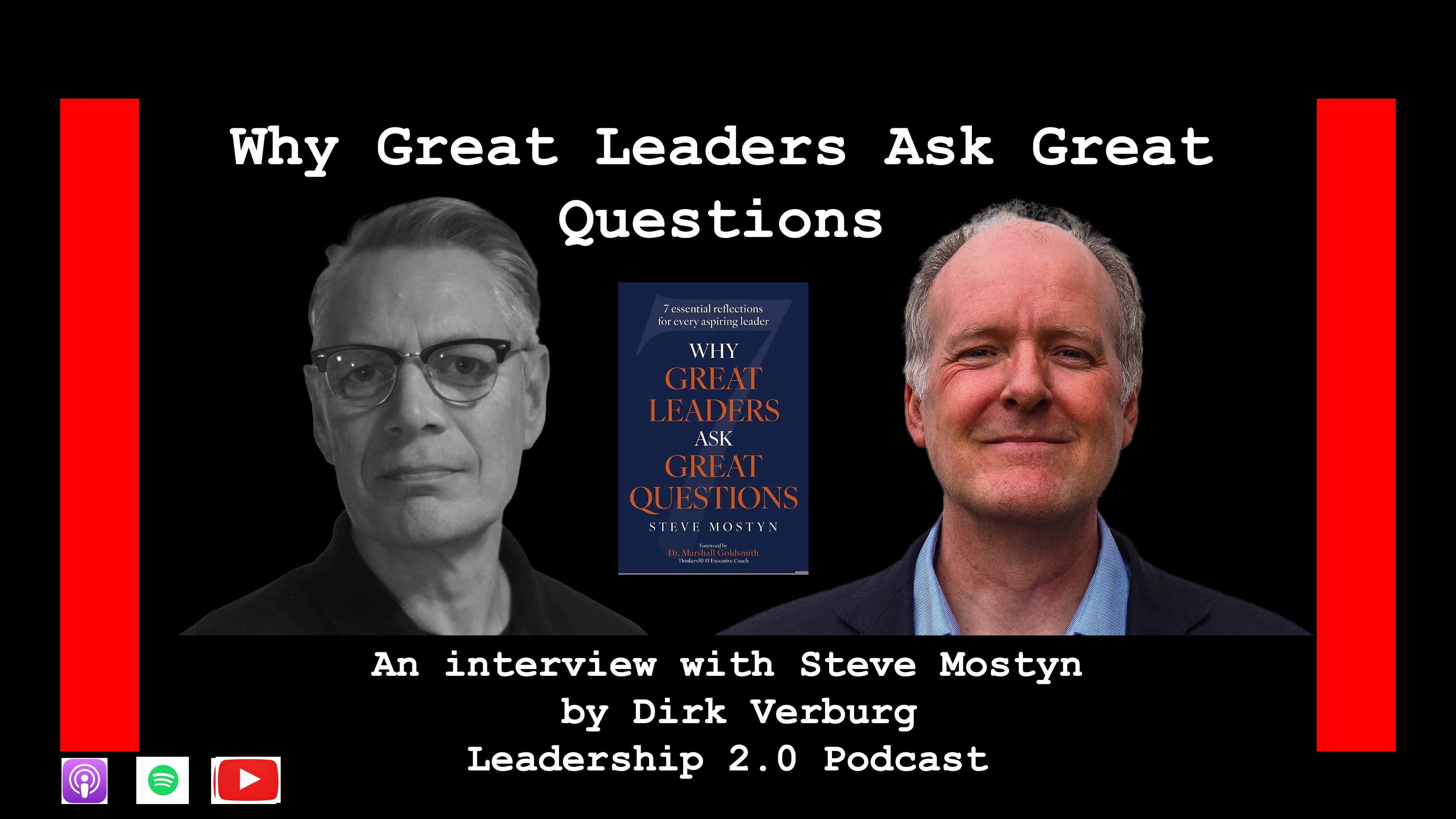
This is just one of the many provocative and thought stimulating questions Steve Mostyn asks in his book ‘Why Great Leaders Ask Great Questions’.
For a long time we looked to leaders to get answers. According to Steve this is because we confuse authority with leadership.
True leadership in business is grounded in knowing ourselves and building a reflective practice to enhance the understanding of ourselves, our organization and our enviroment, with the aim to develop ourselves, our teams, and our business.
In the 40th episode of the Leadership 2.0 podcast, I interview Steve Mostyn, focusing on the question how leaders can develop such a reflective practice.
Steve is a globally recognised leader in senior executive leadership development and an internationally acclaimed thought-leader in leadership training, and the author of the book ‘Why great Leaders ask Great Questions’.
During our conversation we discussed the following topics:
Only a decade ago, executive coaching was associated with either very senior business leaders coached by well-known authors and thought leaders, or with leaders who were struggling in their roles and were given a coach as a last resort.
Today, executive coaching has become mainstream — and it has changed significantly.
First, despite the name, it is no longer the prerogative of C-level executives or their direct reports. Many companies now offer coaching to leaders at all levels of the organisation.
Second, it is no longer seen as a remedy for underperformance. Instead, executive coaches are increasingly viewed the way we view coaches in sport: helping already high-performing individuals to become even better. As an executive coach myself for instance, I support business leaders at all levels with a wide range of challenges: transitioning into new roles, defining strategies for their teams and organisations, enhancing the collaboration with their own leaders and teams, and navigating change.
As a result, executive coaching has evolved from a niche activity into a serious industry. And, like any growing industry, this raises questions about developing and maintaining professional standards, pricing, quality and technology.
Stefan Stenzel has been active in the coaching business since the early 2000s and published ‘Die Zukunft des Coaching-Business’ (‘The Future of the Coaching Business’) in 2022.
I recently sat down with him for two conversations to explore the state of the executive coaching business today.
In our first conversation, we focused on ‘The Executive Coaching Business’ and covered the following topics:
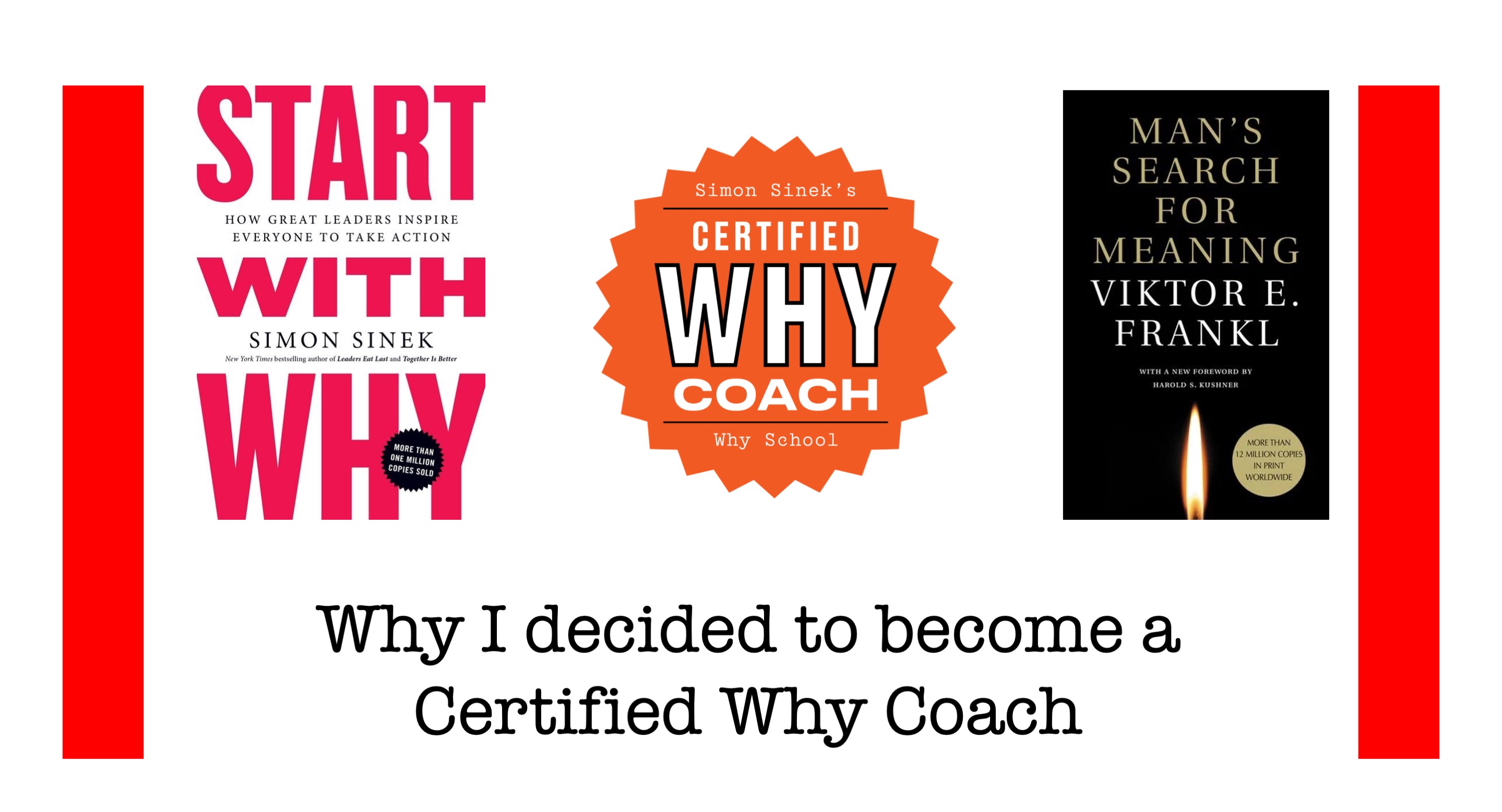
Most people I know regularly reflect on the meaning and purpose of life. In 1946, Viktor Frankl, an Austrian psychiatrist and psychotherapist, wrote one of the most important and influential books on this topic: ‘Man’s Search for Meaning‘.
All business leaders I know are able to explain What they do, almost all of them How they do it, but only a minority can explain Why they do what they do, and that is a missed opportunity, both for themselves and their teams.
Man’s Search for Meaning
Most people I know regularly reflect on the meaning and purpose of life. In 1946, Viktor Frankl, an Austrian psychiatrist and psychotherapist, wrote one of the most important and influential books on this topic: ‘Man’s Search for Meaning‘.
Almost 90% of senior HR leaders agree that transitions into new roles are the most challenging periods in a leader’s professional life. However, organizational appetite to invest in these transitions remains minimal.
As business leaders, we seem to accept a 40% failure rate among newly appointed executives as an unavoidable risk.
The consequences of these failures are significant for both the individual and their organization.
For the individual, a failed transition damages their professional reputation and potentially their livelihood. For their organization, it results in direct financial costs (recruitment), opportunity costs, diminished employee engagement, and a degraded Employer Value Proposition (EVP).
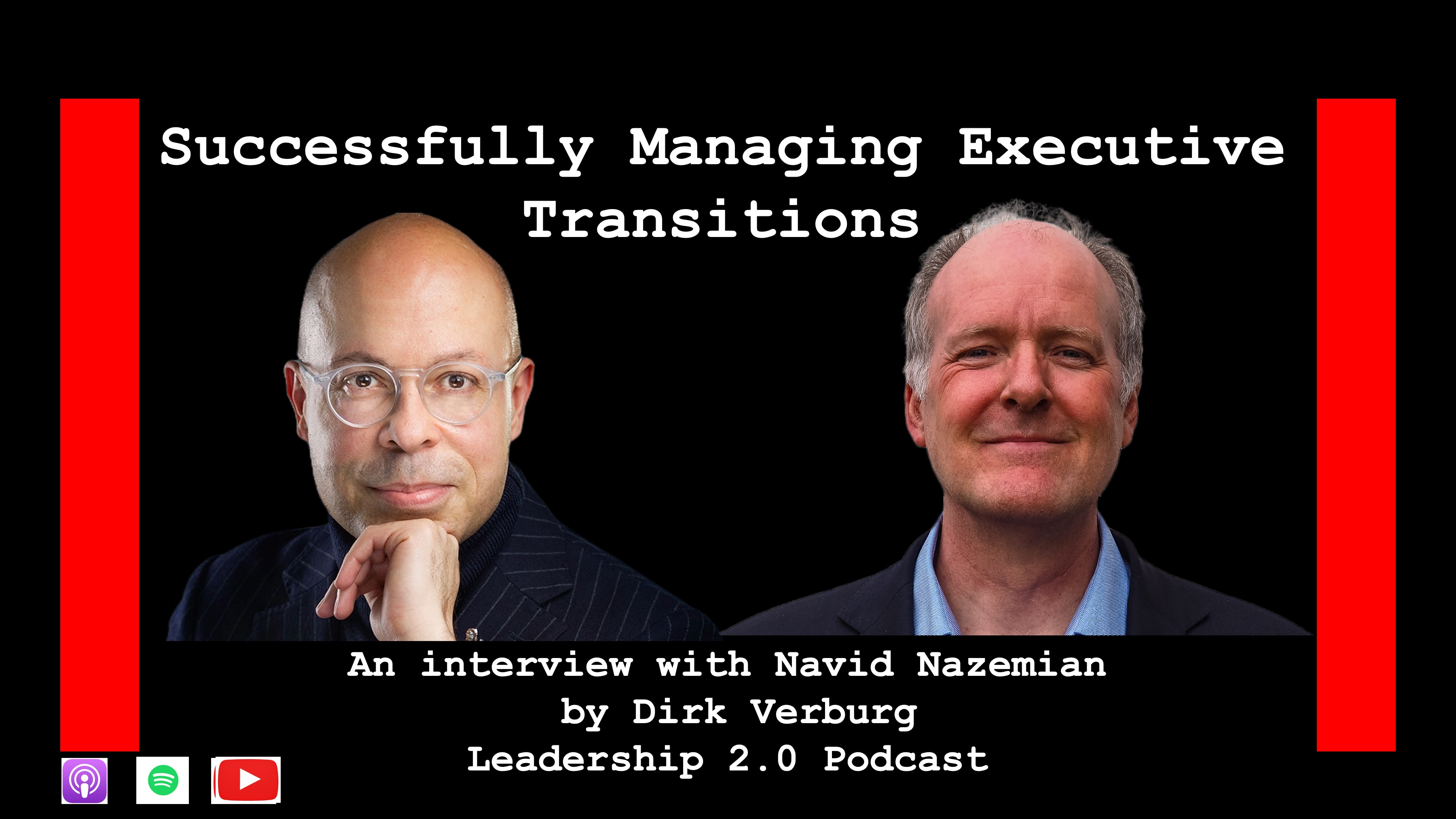
In the 37th episode of the Leadership 2.0 podcast, I speak with Navid Nazemian—my brother-in-arms in the Executive Transition Coaching space—about how organizations can mitigate the risks of executive appointments by engaging an executive coach.